16 Aug 2026
Cross-Sport Accumulator Strategies Adapt to Real-Time Weather Analytics on Digital Platforms
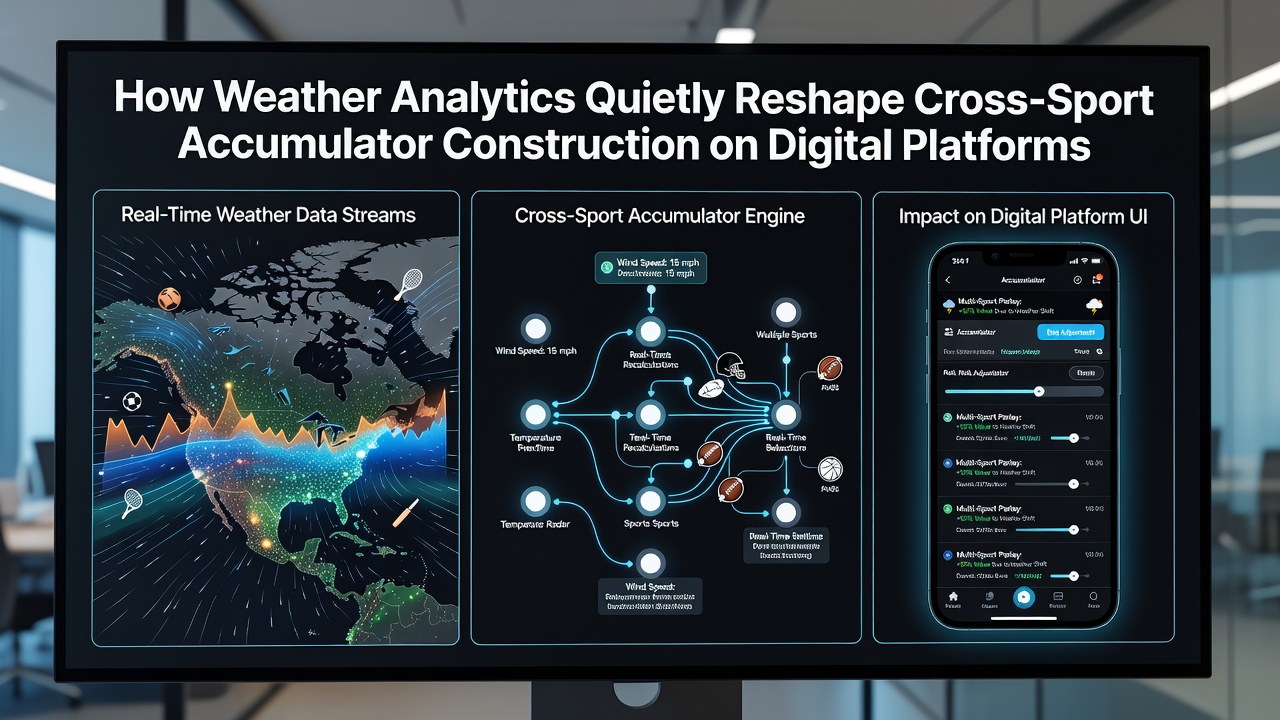
Digital platforms now incorporate weather analytics directly into accumulator construction tools, allowing bettors to adjust selections across football, horse racing, and other sports based on environmental forecasts. These systems pull live data from meteorological sources and integrate it with historical performance metrics, creating layered predictions that account for conditions like wind speed, precipitation, and temperature shifts. Observers note that platforms began expanding these features noticeably in 2025, with further refinements rolling out by August 2026 as APIs from global weather providers became more accessible to betting operators.
Weather Data Sources and Platform Integration
Operators connect accumulator builders to feeds from agencies such as the National Oceanic and Atmospheric Administration, which supplies granular forecasts for venues worldwide. These inputs merge with betting databases so that selections in multi-sport accumulators automatically flag variables like rain affecting turf conditions or high winds impacting passing accuracy. Researchers at institutions including the University of Melbourne have documented how such integrations reduce variance in outcomes for accumulators spanning outdoor events, since models now weight weather as a primary factor rather than a secondary adjustment.
Platforms display these analytics through interfaces that update odds dynamically when forecasts change. A sudden temperature drop, for instance, might prompt users to swap a football striker known for cold-weather struggles with a more reliable alternative while preserving the overall accumulator structure. This process happens without manual recalculation because algorithms handle the cross-sport correlations in real time.
Application Across Football and Horse Racing Markets
In football markets, platforms apply wind and humidity data to over/under totals and player props that feed into accumulators. Heavy rain correlates with fewer goals in certain leagues according to aggregated match records, so builders now suggest pivoting from goal-heavy legs toward defensive or draw outcomes. Those who construct cross-sport bets often combine these football legs with horse racing selections where ground conditions matter more directly, since soft or heavy going alters speed ratings and stamina requirements.
Horse racing accumulators benefit when platforms overlay rainfall predictions onto track profiles, highlighting races where favorites excel on wet surfaces while downgrading others. Data from recent seasons shows that accumulators pairing weather-adjusted football markets with racing each-way plays maintain steadier returns when builders account for forecast accuracy windows of 24 to 48 hours. August 2026 updates to several major platforms introduced enhanced radar layers that extend this precision to international fixtures and meetings simultaneously.
Cross-Sport Correlations and Accumulator Adjustments
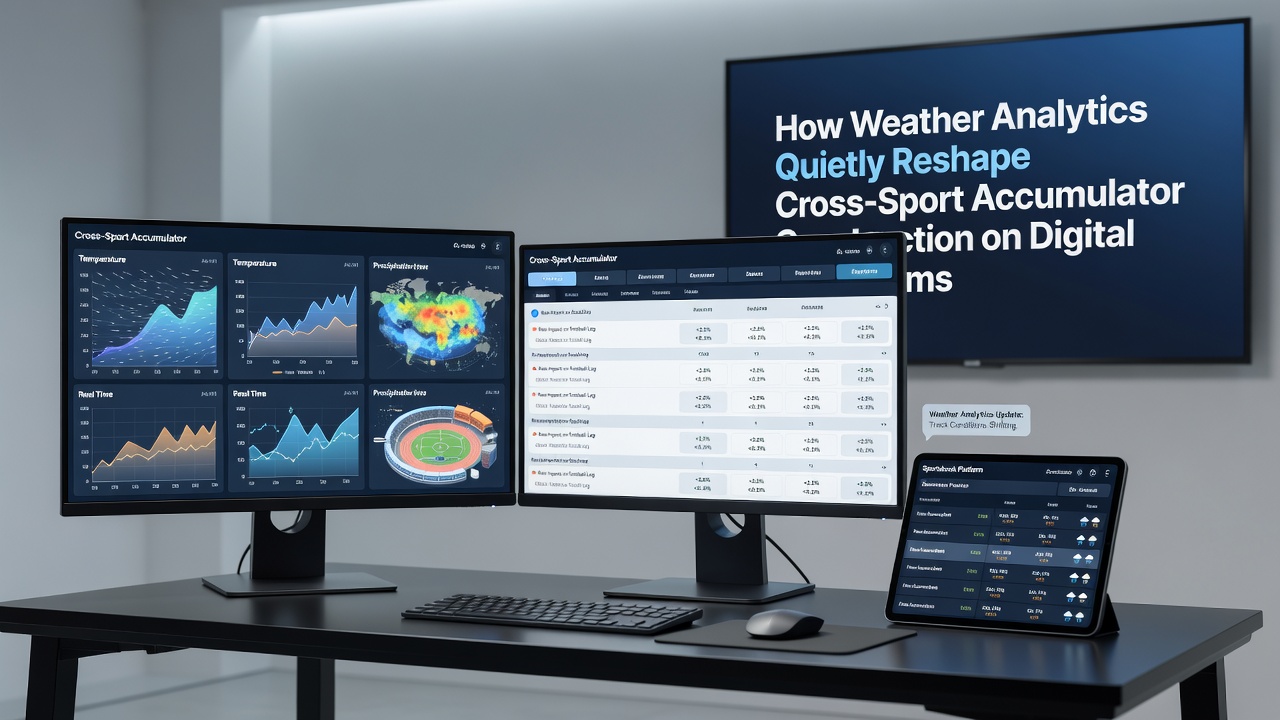
Weather analytics reveal connections that extend beyond single sports. A high-pressure system moving across regions can simultaneously influence evening football fixtures and next-day racing cards, prompting users to rebalance accumulator stakes or swap legs before lines lock. Platforms now surface these patterns through alerts tied to specific accumulator combinations, allowing construction to shift toward sports or markets less sensitive to the projected conditions.
Studies examining multi-sport data sets indicate that weather-informed accumulators exhibit tighter distribution around expected returns compared with selections built without environmental context. Users access historical overlays that map past weather events against betting outcomes, which helps identify value in less obvious markets such as total corners in football or place payouts in racing when forecasts predict stable conditions.
Future Developments in Analytics Delivery
By August 2026 several operators had begun testing predictive models that combine weather ensembles with machine learning outputs tailored to accumulator workflows. These tools simulate thousands of forecast scenarios and rank accumulator configurations by resilience to weather variability. Industry reports from organizations like the European Gaming and Betting Association highlight growing adoption of such systems across European and Asian markets, driven by demand for more precise risk management in multi-leg bets.
Users encounter these capabilities through mobile and desktop builders that flag weather-sensitive legs and suggest substitutions drawn from comparable historical conditions. The approach maintains focus on factual data inputs rather than subjective judgment, with platforms updating models as new meteorological datasets become available.
Conclusion
Weather analytics have become embedded in the construction process for cross-sport accumulators on digital platforms, linking environmental forecasts to performance data across football, horse racing, and additional disciplines. Integration with sources like NOAA and academic research enables real-time adjustments that reflect documented correlations between conditions and results. As platforms continue refining these tools through 2026, the emphasis remains on delivering accurate, data-driven options for users building multi-sport selections.